
Hidroxicloroquina Precio Farmacia España: Your Complete 2026 Guide to Costs, Dosage, and Smart Buying
If you’re searching for hidroxicloroquina precio farmacia España, here’s the short answer: prices typically range from €4 to €22 depending on the brand, dosage, and package size. Generic hydroxychloroquine 200 mg starts around €6 for 30 tablets through Spain’s National Health System (SNS), while brand-name options like Dolquine® or Plaquenil® can reach €22 for larger packages. The real story, though, involves understanding what drives those prices and how to get the best value safely.
Hydroxychloroquine has been a cornerstone medication in Spain for decades, primarily prescribed for autoimmune conditions like lupus and rheumatoid arthritis. Since the pandemic thrust it into the global spotlight, patients and caregivers have had more questions than ever about availability, pricing, and proper use. This guide breaks down everything you need to know, drawing on the latest clinical guidelines and pharmacy data from across Spain.
Understanding Hydroxychloroquine: What It Is and Why It Matters in Spain
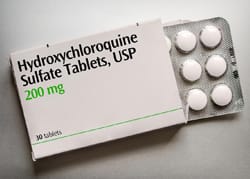
Hydroxychloroquine is an immunomodulatory medication classified under ATC code P01BA02, originally developed as an antimalarial drug and now primarily used to treat rheumatoid arthritis and systemic lupus erythematosus in Spain. It is marketed under brand names including Dolquine®, Plaquenil®, and Quensyl®, manufactured by companies like Laboratorios Rubió, Sanofi Aventis, and Zentiva.
In Spain, the Agencia Española de Medicamentos y Productos Sanitarios (AEMPS) regulates hydroxychloroquine as a prescription-only medication. This means you legally need a valid medical prescription to purchase it from any authorized pharmacy. The SNS (Sistema Nacional de Salud) covers hydroxychloroquine for approved indications, which significantly reduces out-of-pocket costs for patients with qualifying diagnoses.
What makes hydroxychloroquine particularly valued in Spanish rheumatology is its favorable tolerability profile compared to heavier immunosuppressants. The Sociedad Española de Reumatología (SER) and EULAR 2023 guidelines both confirm it as a first-line treatment for lupus and a useful component in rheumatoid arthritis management, especially for mild-to-moderate joint and skin manifestations.
Hidroxicloroquina Precio Farmacia España: A Detailed Price Breakdown
The price of hydroxychloroquine in Spanish pharmacies varies widely based on the brand, tablet strength, and package size, ranging from approximately €4 for small generic packs to over €22 for larger branded presentations. Understanding these price tiers helps you make informed decisions with your prescribing physician.
Here’s a practical look at what you can expect to pay. As noted by Farmacia Sevilla’s hydroxychloroquine listing, SNS-covered prices for the most common presentations break down as follows:
| Presentation | Strength | Package Size | Approximate Price (€) |
|---|---|---|---|
| Dolquine® | 200 mg | 60 tablets | €6–€12 |
| Plaquinol® | 200 mg | 30 tablets | €4–€7 |
| Quensyl® | 200 mg | 100 tablets | €18–€22 |
| Generic Hydroxychloroquine | 200 mg | 30 tablets | €6–€15 |
| Plaquenil® (Brand) | 200 mg | 30 tablets | €9.50–€11 |
Pro tip from the data: If you’re on long-term therapy (which most lupus and RA patients are), buying larger package sizes significantly reduces your per-tablet cost. For instance, the Quensyl® 100-tablet pack works out to roughly €0.18–€0.22 per tablet, compared to €0.13–€0.23 for smaller packs of other brands. Talk to your pharmacist about which presentation gives you the best value for your specific prescription.
Keep in mind that all SNS prices are subject to co-payment regulations based on your income level and employment status. Retirees and low-income patients often pay substantially less than the listed pharmacy prices.
How Does Hydroxychloroquine Work and How Should You Take It?
Hydroxychloroquine works by modulating your immune system rather than suppressing it entirely, which is why doctors consider it one of the safest long-term options for autoimmune diseases. It reduces the activity of white blood cells and decreases the production of inflammatory cytokines like TNF-α, IL-1, and IL-6.
On a cellular level, the drug interferes with the acidification of lysosomes and endosome activity inside immune cells. This disrupts antigen presentation, which is the process that triggers your immune system to mistakenly attack your own tissues. The result is reduced inflammation, less joint pain, fewer skin flare-ups, and better overall disease control.
Here’s what you need to know about taking it properly:
- Always take it with food — this is non-negotiable. Taking hydroxychloroquine with meals (particularly your main meal) dramatically reduces nausea and stomach discomfort. Given Spanish eating habits, taking it with lunch or dinner works best.
- Stick to a consistent schedule. Whether you choose morning or evening, take it at the same time every day. This improves adherence and maintains steady drug levels.
- Swallow the tablet whole with water. Don’t crush or split it unless your doctor specifically instructs you to.
- Separate from antacids by at least two hours. Aluminum- and magnesium-containing antacids reduce hydroxychloroquine absorption significantly.
- Limit alcohol consumption. Alcohol increases the risk of liver toxicity when combined with this medication.
One detail that often gets overlooked: hydroxychloroquine takes weeks to months to reach full effectiveness. As detailed in Farmacia Sevilla’s Plaquenil information page, patients typically begin noticing improvement after several weeks of continuous use, sometimes not until the second month. Patience is essential, and stopping the medication prematurely because you don’t feel immediate results is one of the most common mistakes patients make.
Hydroxychloroquine Dosage: Getting It Right for Your Condition
The standard adult dosage of hydroxychloroquine ranges from 200 to 400 mg per day for autoimmune conditions, while malaria treatment and prevention follow entirely different protocols. Your doctor will determine the exact dose based on your diagnosis, body weight, kidney function, and overall health.
| Indication | Adults | Children | Elderly (65+) |
|---|---|---|---|
| Rheumatoid Arthritis / Lupus | 200–400 mg/day | 5–6 mg/kg/day (weight-adjusted) | 200 mg/day; adjust for kidney/liver function |
| Malaria Prevention | 400 mg/week | 5 mg/kg/week | 350–400 mg/week |
| Malaria Treatment | 800 mg day 1, then 400 mg on days 2 and 3 | 10 mg/kg day 1, 5 mg/kg days 2 and 3 | Individualized geriatric adjustment |
A critical safety note for parents: Children are at significantly higher risk of toxicity. Pediatric dosing must be calculated strictly by body weight, and the medication should always be kept out of children’s reach. Even a small overdose in a child can have serious consequences.
For elderly patients, the general approach in Spanish geriatric practice is to start low and go slow. Reduced kidney and liver function in older adults can slow drug elimination, increasing the risk of accumulation and side effects. Regular blood tests and ophthalmological exams become even more important in this population.
Pros and Cons of Hydroxychloroquine
Hydroxychloroquine offers a uniquely balanced risk-benefit profile among disease-modifying antirheumatic drugs, but it is not without drawbacks that every patient should understand before starting treatment.
| Pros | Cons |
|---|---|
| Well-established safety profile over decades of use | Slow onset of action (weeks to months) |
| Lower risk of global immunosuppression compared to methotrexate | Risk of retinopathy with prolonged use requiring annual eye exams |
| Good digestive tolerability when taken with food | Common gastrointestinal side effects (nausea, abdominal pain) |
| Affordable and covered by Spain’s SNS | Requires consistent daily adherence for effectiveness |
| Safe to continue during pregnancy under medical supervision | Potential cardiac risks (QT prolongation) when combined with certain drugs |
| Effective for both skin and joint manifestations of lupus | Not suitable for patients with pre-existing retinal disease |
| Can be combined with other DMARDs for enhanced effect | Rare but serious side effects include liver failure and severe skin reactions |
What this means for you: if your doctor recommends hydroxychloroquine, the odds are strongly in your favor for a positive experience. The key is committing to regular monitoring, especially the annual ophthalmological exams that Spanish health authorities and the AEMPS strongly recommend.
Product Table: Dosages and Prices Across Spanish Pharmacies
Prices for hidroxicloroquina precio farmacia España vary depending on whether you’re purchasing a generic formulation or a branded product, and the package size you choose. Below is a consolidated comparison to help you plan your budget.
| Brand / Type | Dosage | Package Size | Price Range (€) | Per-Tablet Cost (€) |
|---|---|---|---|---|
| Dolquine® (Brand) | 200 mg | 60 tablets | €6–€12 | €0.10–€0.20 |
| Plaquinol® (Brand) | 200 mg | 30 tablets | €4–€7 | €0.13–€0.23 |
| Quensyl® (Brand) | 200 mg | 100 tablets | €18–€22 | €0.18–€0.22 |
| Plaquenil® (Brand) | 200 mg | 30 tablets | €9.50–€11 | €0.32–€0.37 |
| Generic Hydroxychloroquine | 200 mg | 30 tablets | €6–€15 | €0.20–€0.50 |
| Generic Hydroxychloroquine | 400 mg | 30 tablets | €12–€22 | €0.40–€0.73 |
Insider note: The SNS co-payment system means that many patients pay only a fraction of these listed prices. If you have an active SNS prescription, your actual out-of-pocket cost could be as low as €1–€4 depending on your co-payment bracket. Always ask your pharmacist to apply your SNS benefits before paying.
Benefits of Buying Hydroxychloroquine Online in Spain
Authorized online pharmacies in Spain offer legitimate advantages including competitive pricing, home delivery, and enhanced privacy, but only when they operate under proper AEMPS licensing and require valid prescriptions.
Here are the practical benefits worth considering:
- Price savings of 10–20% compared to physical pharmacies, particularly on larger package sizes where online platforms can offer volume discounts.
- Home delivery across Spain, with estimated times of 24–48 hours for major cities like Madrid, Barcelona, Valencia, and Sevilla, and 2–4 days for rural areas and islands.
- Discreet packaging for patients who value privacy in managing their health conditions.
- 24/7 availability — you can place orders and access medication information at any time, which is especially helpful for patients with mobility limitations.
- Digital prescription management, making it easier to track your medication history and refill schedules.
A word of caution: only purchase from pharmacies that display a visible AEMPS license on their website. Legitimate Spanish online pharmacies will always require a valid prescription, either uploaded digitally or obtained through a certified telemedicine consultation. If a site offers hydroxychloroquine without any prescription verification, that is a red flag for potential counterfeit products.
Hydroxychloroquine Alternatives Available in Spain
If hydroxychloroquine isn’t suitable for you due to side effects, contraindications, or insufficient response, several alternative disease-modifying drugs are available and reimbursed through Spain’s SNS. Each comes with its own set of trade-offs that your rheumatologist can help you navigate.
| Alternative | Primary Use | Key Advantage | Main Drawback |
|---|---|---|---|
| Methotrexate | Rheumatoid arthritis (first-line) | Faster onset of action in active joint disease | Hepatotoxicity risk; requires folic acid supplementation |
| Leflunomide | Rheumatoid arthritis | Oral administration; good alternative if intolerant to HCQ | Higher risk of hypertension and liver damage |
| Sulfasalazine | Autoimmune conditions, Crohn’s disease | Long track record; SNS-reimbursed | Less commonly used today; gastrointestinal side effects |
| Chloroquine | Similar to hydroxychloroquine | Extensive clinical experience | Greater ocular toxicity risk; less preferred currently |
| Biologics (Adalimumab, Etanercept, Rituximab) | Refractory autoimmune disease | High efficacy in treatment-resistant cases | Very expensive; parenteral administration; hospital approval required |
The bottom line on alternatives: hydroxychloroquine remains the preferred starting point for most lupus patients and a valuable component of combination therapy in rheumatoid arthritis. Its unique advantage lies in its relatively gentle immunomodulatory action, meaning it tempers the immune system without broadly suppressing it the way methotrexate or biologics do. That said, every patient is different, and switching medications is a normal part of finding the right treatment plan.
Essential Safety Monitoring: What Your Doctor Should Be Checking
Long-term hydroxychloroquine use requires structured medical monitoring, with annual ophthalmological examinations being the single most important safety measure for preventing irreversible retinal damage.
Here is the monitoring schedule recommended by Spanish clinical guidelines and the AEMPS:
- Before starting treatment: Baseline eye examination including retinal assessment, plus blood tests for liver and kidney function.
- Every 6–12 months: Comprehensive ophthalmological review with optical coherence tomography (OCT) and visual field testing.
- Periodic blood work: Complete blood count, liver enzymes, and renal function markers, especially in elderly patients or those on combination therapy.
- Cardiac monitoring: ECG if you are taking other medications that affect heart rhythm, particularly those that prolong the QT interval.
- Ongoing symptom awareness: Report any visual changes (blurriness, difficulty reading, color vision changes), unusual muscle weakness, mood changes, or severe skin reactions immediately.
The EULAR 2023 recommendations and the SER consensus from 2024 both emphasize using the lowest effective dose possible to minimize cumulative ocular toxicity. For most patients, this means staying at or below 5 mg/kg of actual body weight per day. If you’ve been on hydroxychloroquine for more than five years, your ophthalmologist may recommend more frequent screening intervals.
Frequently Asked Questions About Hydroxychloroquine in Spain
Patients across Spain consistently ask the same core questions about hydroxychloroquine, and getting clear answers upfront can make a real difference in treatment confidence and outcomes.
- How long can I take hydroxychloroquine? Many patients use it safely for years or even decades. The key is maintaining annual eye exams and regular check-ups with your rheumatologist.
- Is it safe during pregnancy? Yes, under specialist supervision. Current evidence suggests that continuing hydroxychloroquine during pregnancy is often safer for both mother and baby than stopping it, particularly in lupus patients.
- What if I miss a dose? Take your next scheduled dose as normal. Never double up to compensate for a missed dose.
- Can I drink coffee with it? Moderate coffee consumption is generally fine, though excessive caffeine may slightly affect absorption. Taking the medication with a full meal is more important than worrying about your morning coffee.
- Is hydroxychloroquine used for COVID-19? No. Both AEMPS and international guidelines have definitively concluded that hydroxychloroquine is not recommended for COVID-19 treatment or prevention outside of controlled clinical trials.
If you’re looking for hidroxicloroquina precio farmacia España information, the most reliable approach is always to consult your prescribing physician and your local pharmacist. They can confirm your SNS co-payment level, recommend the most cost-effective brand for your prescription, and ensure you’re getting an authentic product from an authorized source. Your health is worth that extra step.
- Viagra
- Cialis
- Stromectol
- Cenforce
- Amoxil
- Levitra
- Vidalista
- Kamagra
- Zithromax
- Fildena
- Neurontin
- Lasix
- Ventolin
- Cialis Black
- Kamagra Oral Jelly
- Clomid
- Prelone
- Antabuse
- Priligy
- Viagra Soft
- Cialis Professional
- Viagra Super Active
- Synthroid
- Motilium
- Hydroxychloroquine
- Vibramycin
- Metformin
- Tadalista
- Cytotec
- Cialis Daily
- Cipro
- Female Viagra
- Cialis Soft
- Viagra Professional
- Strattera
- Inderal
- Tretiva
- Augmentin
- Cialis Super Active
- Wellbutrin Sr
- Isofair
- Diflucan
- Sildalis
- Flagyl
- Vilitra
- Propecia
- Cialis Super Force
- Estrace
- Isotroin
- Xenical
- Lumigan
- Careprost
- Baclofen
- Viagra Generic
- Cialis Generic
- Levitra Generic
- Super Kamagra
- Cobra 120mg
- Doxycycline
- Aciclovir
- Aciclovir Cream
- Vermox
- Tretinoin Cream
- Tretinoin CGel
- Prozac
- Nolvadex